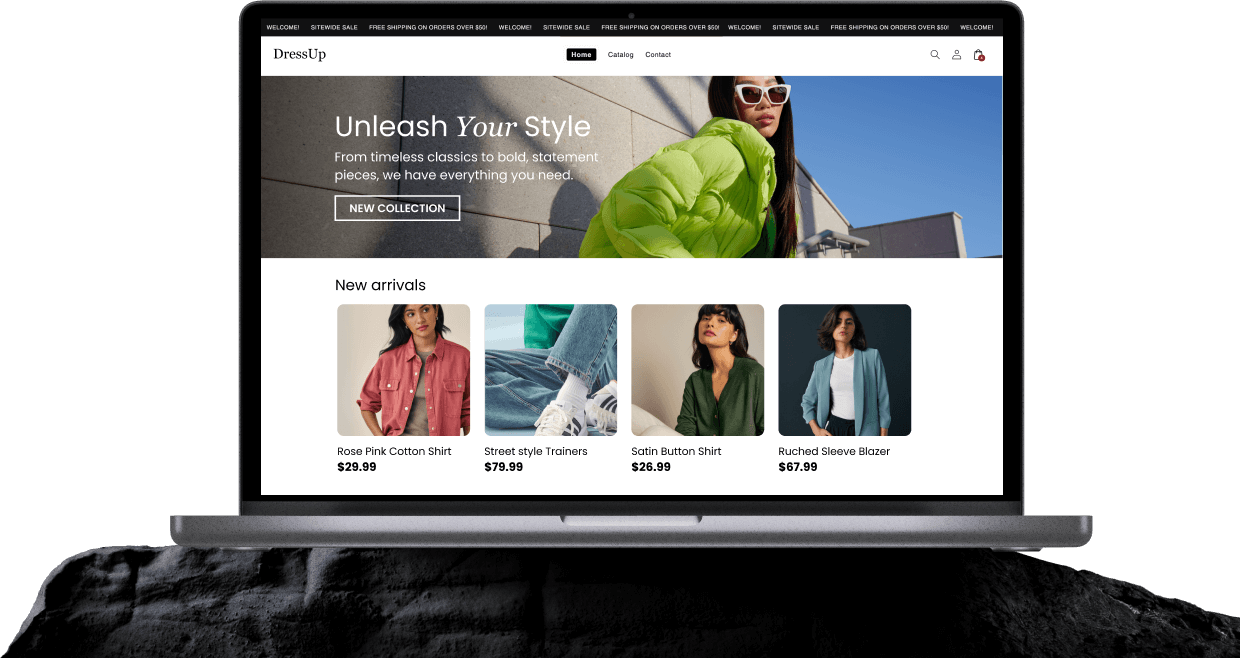
Native Advertising
Native advertising is a form of paid media where the ad experience follows the natural form and function of the user interface in which it is placed. Unlike traditional banner ads, native ads are designed to blend seamlessly into the surrounding content, matching the visual design and behavior of the platform.
Native Advertising in Detail
Native advertising functions by mirroring the editorial style of a website or the organic feed of a social media platform. The primary objective is to provide a non-disruptive user experience, allowing the promotional content to feel like a natural part of the consumer’s browsing journey.
Common Formats of Native Ads
- In-Feed Units: These appear within the natural flow of a platform’s content, such as a “Promoted” post on Instagram, a “Sponsored” tweet on X (formerly Twitter), or a paid article within a news feed.
- Recommendation Widgets: Usually found at the bottom of news articles or blog posts under headings like “You Might Also Like” or “Recommended for You.”
- Promoted Search Listings: Ads that appear at the top of search engine results or within commerce platforms (like eBay or Amazon) that look identical to organic listings.
- Branded Content: Articles or videos produced by a publisher in partnership with a brand, sharing the same tone and quality as the publisher’s independent editorial work.
How Native Advertising Works
The mechanics of native advertising involve a collaboration between an advertiser, a publisher, and often a programmatic ad network. The advertiser provides the creative elements—usually a headline, an image, and a URL—which the platform’s algorithm then formats to match the site’s CSS (Cascading Style Sheets). While these ads look like organic content, they are legally required to include disclosure labels such as “Sponsored,” “Promoted,” or “Ad.”
Native Advertising vs. Display Advertising
While both are forms of digital marketing, they differ significantly in execution:
- Native Advertising: Matches the environment, is non-intrusive, and usually results in higher click-through rates (CTR) because it does not trigger “banner blindness.”
- Display Advertising: Uses standardized sizes (like 728×90 banners) that stand out from the content. It is clearly identifiable as an advertisement and is often ignored by users accustomed to digital layouts.
Why is Native Advertising important for eCommerce sellers?
For ecommerce and dropshipping businesses, native advertising is a vital tool for customer acquisition, particularly in an era where consumers are increasingly resistant to traditional marketing.
- Higher Engagement: Because native ads resemble the content a user is already consuming, they receive significantly more attention than traditional display ads. This often leads to a higher Return on Ad Spend (RoAS).
- Bypassing Ad Blockers: Some native ad formats are less susceptible to ad-blocking software than traditional pop-ups or banners, ensuring a wider reach.
- Building Trust: By providing value through “advertorial” content (ads that read like editorials), sellers can educate potential customers before asking for a sale, which is particularly effective for unique or problem-solving products.
- Mobile-First Compatibility: Native ads are inherently responsive. Since most dropshipping traffic originates from mobile devices, ads that fit naturally into a vertical scroll offer a much better User Experience (UX).
Strategies for Optimizing Native Advertising
To succeed with native advertising, ecommerce sellers must focus on the “content-first” approach rather than a “sales-first” approach.
- Prioritize Creative Quality: The headline and thumbnail must be compelling enough to compete with organic news stories. Use high-quality imagery that doesn’t look like a polished commercial but rather a real-world application of the product.
- Match the Platform’s Tone: A native ad on a professional site like LinkedIn should have a different voice than one on a viral-style platform like TikTok.
- Use a Bridge Page: Instead of sending traffic directly to a product page, many successful sellers use a “Pre-sell” or “Advertorial” page. This article-style page bridges the gap between the ad and the store, increasing the conversion rate by building authority.
- Targeting and Retargeting: Use the data provided by ad networks to target specific interests and behaviors. Following up with users who engaged with a native ad through Retargeting can significantly lower the Customer Acquisition Cost (CAC).
While the creative process is manual, managing the resulting traffic and inventory levels can be streamlined. Ecommerce sellers often find that using automation tools helps maintain the supply chain efficiency required to handle the high volume of orders that a successful native ad campaign can generate.