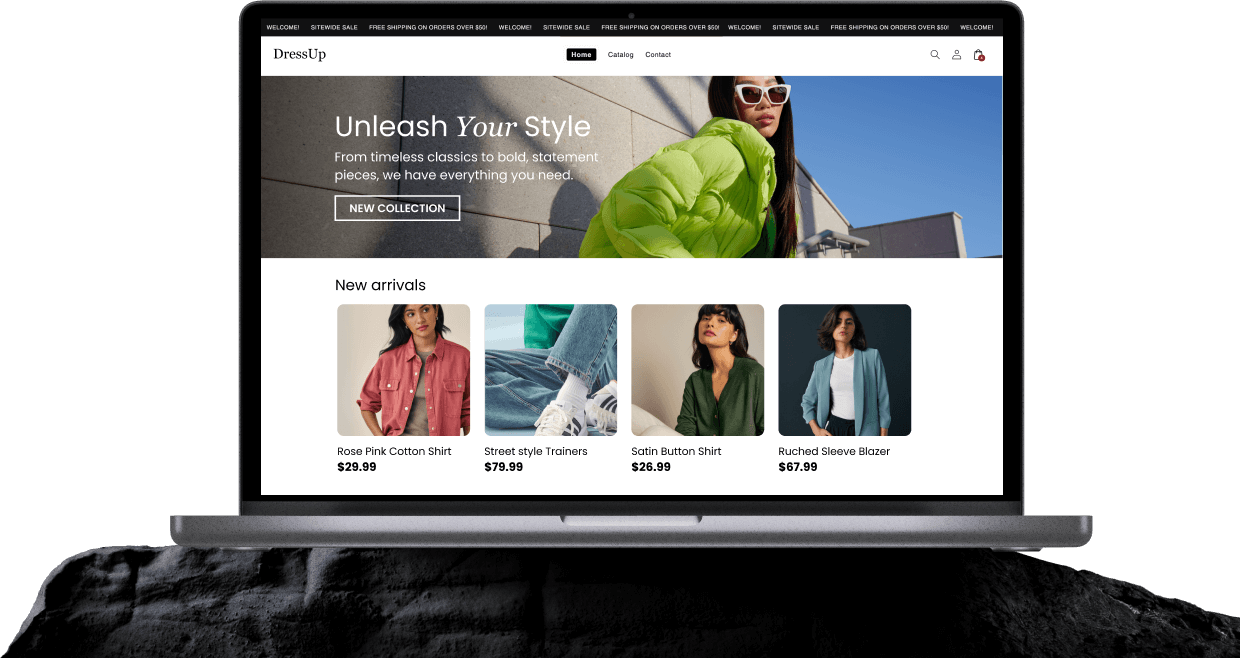
Private Label Dropshipping
Private Label Dropshipping is a business model in which e-commerce sellers market products under their own brand while third-party suppliers manufacture and ship the items directly to customers. The seller does not hold inventory but controls branding elements, including product packaging, logos, and product presentation.
Private label dropshipping allows businesses to build branded ecommerce stores without managing manufacturing or warehouse operations, combining the flexibility of dropshipping with the brand ownership of private labeling.
How Private Label Dropshipping Works
Private label dropshipping involves working with suppliers that produce generic products, that can be customized with a seller’s branding. Once a customer places an order, the supplier fulfills and ships the product while including the seller’s brand name or packaging.
Unlike traditional dropshipping, where products are sold exactly as provided by the supplier, private label dropshipping focuses on creating a recognizable brand identity around the products it sells.
A typical private label dropshipping workflow includes:
- Product selection. Sellers identify products with stable demand and branding potential. These products are often reusable consumer goods such as beauty items, home accessories, or fitness products.
- Brand customization. The supplier applies branding elements such as product labels, packaging inserts, or logos. Some suppliers also allow minor product modifications or bundled offerings.
- Store listing and marketing. The seller creates product listings and markets the brand through advertising, social media, or search traffic.
- Order fulfillment. When a customer places an order, the supplier packages and ships the product directly to the customer under the seller’s brand.
This structure allows sellers to focus on marketing and customer experience while suppliers manage production and shipping.
Private Label Dropshipping vs Traditional Dropshipping
Private label dropshipping is often compared to traditional dropshipping, but the two approaches serve different business goals.
Traditional dropshipping typically involves selling unbranded products provided by suppliers. Multiple sellers may offer identical products with similar product listings, making competition heavily price-driven.
Private label dropshipping emphasizes brand differentiation. Even if the underlying product is similar to competitors’ offerings, the brand identity helps sellers stand out and build customer loyalty. Private label dropshipping can also be compared to wholesale private labeling. In wholesale private labeling, sellers usually purchase inventory in bulk and store products in a warehouse. Private label dropshipping eliminates the need for bulk purchasing, reducing upfront investment and financial risk.
Private Label Dropshipping in Detail
In a typical private label dropshipping setup, suppliers produce standardized products that can be customized with brand elements before shipping to customers. Some suppliers offer additional services such as custom packaging, logo printing, or branded shipping materials. These features help create a more professional customer experience than standard dropshipping, where products often arrive in generic packaging.
Private label dropshipping also emphasizes long-term positioning rather than short-term product testing. Sellers often focus on a specific niche or product category and expand their product range under a single brand. This approach supports repeat purchases and customer loyalty, which can be more difficult to achieve with unbranded products.
Another defining characteristic of private label dropshipping is brand ownership. While suppliers handle production and fulfillment, the seller controls the store, marketing strategy, pricing, and customer relationships. This structure allows eCommerce businesses to build long-term brand equity while maintaining the operational flexibility of dropshipping.
As e-commerce markets become more competitive, private label dropshipping has become a common strategy for sellers who want to move beyond generic product reselling and develop sustainable online brands.
Why is Private Label Dropshipping Important for e-commerce Sellers?
Private label dropshipping allows ecommerce sellers to build long-term brand value while maintaining the low-risk structure of dropshipping. Unlike generic dropshipping stores that depend heavily on individual product trends, private label businesses can build brand recognition and attract repeat customers. A recognizable brand can reduce dependence on short-term product trends and advertising fluctuations.
Private label dropshipping also provides more control over the customer experience. Sellers can influence packaging, product presentation, and branding to improve perceived value and customer trust. Another advantage is improved profit potential. Branded products often command higher prices than generic alternatives, enabling sellers to achieve stronger margins.
Private label dropshipping can also support long-term business growth. A developed brand can expand into additional product categories while maintaining customer loyalty and recognition.
For e-commerce entrepreneurs seeking a more sustainable approach than generic product reselling, private label dropshipping offers a path toward building a recognizable brand without major upfront investment.
Strategies for Private Label Dropshipping
Successful private label dropshipping depends on building a strong brand and maintaining reliable supplier relationships.
Important strategies include:
- Choose products suitable for branding. Products that are reusable or niche-focused tend to work well for private labeling because they support repeat purchases and brand recognition.
- Focus on consistent branding. Logos, packaging, and product presentation should remain consistent across all sales channels to strengthen brand identity.
- Work with reliable suppliers. Consistent product quality and shipping performance are essential for maintaining customer trust in a branded store.
- Differentiate beyond the product. Strong product descriptions, professional images, and clear brand messaging help distinguish private label products from generic alternatives.
Automation tools and integrations can help sellers manage product listings and orders efficiently as private label businesses scale across multiple sales channels.
Frequently Asked Questions
What is private label dropshipping?
Private label dropshipping is a business model in which sellers offer branded products without holding inventory. A supplier manufactures and ships the products directly to customers while including the seller’s branding. This model allows sellers to build their own brands while avoiding the need for warehouses or bulk inventory purchases.
Is private label dropshipping profitable?
Private label dropshipping can be profitable because branded products often command higher prices than generic ones. Profitability depends on product selection, marketing effectiveness, supplier reliability, and brand strength.
What products work best for private label dropshipping?
Products that are frequently used or are associated with niche audiences often work well for private label dropshipping. Examples include beauty products, home accessories, pet products, and fitness equipment, where branding can influence purchasing decisions.